
News Report | October 2026
Pune, Maharashtra: A 10-day protest by Maharashtra Public Service Commission (MPSC) aspirants in Pune came to an end after the Maharashtra government announced an inquiry committee to investigate alleged irregularities in the commission’s recruitment examinations. Senior IAS officer Tukaram Mundhe was appointed secretary of the committee, while retired judge Dilip Bhosale was named its chairperson. The decision marked a significant development in the students’ campaign for transparency and accountability in government recruitment.
The protest, held near SM Joshi Bridge in Pune, brought together government-job aspirants demanding action over alleged examination malpractice, suspected paper leaks and concerns about the functioning of the MPSC. The students also sought the removal of MPSC chairman Vivek Bhimanwar, making accountability at the top of the commission one of their principal demands.
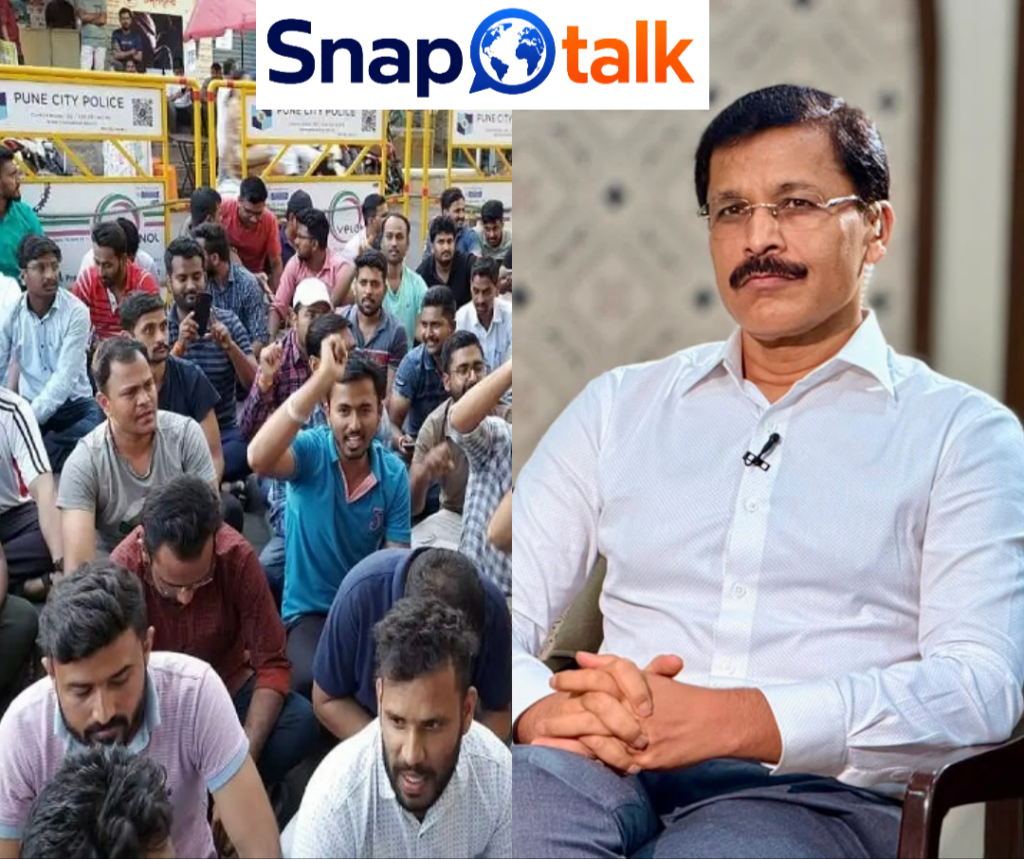
Why Did Students Launch the Protest?
The agitation was driven by concerns over the credibility of competitive examinations and the future of thousands of candidates preparing for Maharashtra government jobs. For many aspirants, these examinations represent years of preparation, financial sacrifice and family expectations.
Allegations of irregularities, including suspected question-paper leaks, intensified demands for an independent investigation. Students called for a transparent recruitment process, accountability for officials if wrongdoing was established, and reforms to restore confidence in the examination system. The protest continued for days as aspirants pressed the state government to move beyond assurances and take concrete action. The demand for the MPSC chairman’s resignation became a major point of contention during negotiations.
Government Announces Inquiry Committee
The turning point came on October 11, when Maharashtra Public Works Department Minister Shivendraraje Bhosale met the protesters at SM Joshi Bridge and announced the formation of a committee to examine the allegations and recommend reforms to the MPSC. The committee is headed by former judge Dilip Bhosale. Its members include IPS officer Laxmi Gautam, former IAS officer Ganesh Patil and retired judge P. D. Naik, with senior IAS officer Tukaram Mundhe serving as secretary. The committee was tasked with examining alleged irregularities, including suspected examination paper leaks. Reports stated that it would have 60 days to submit its findings. Mundhe’s appointment became a central development in the dispute. His inclusion in the inquiry panel was welcomed by NCP (Sharadchandra Pawar) MLA Rohit Pawar, who expressed hope that the committee would be allowed to work independently. However, the appointment did not mean that the allegations had already been proven; the investigation would need to establish the facts.
Other Demands Raised by Aspirants
The students’ demands extended beyond the inquiry into alleged examination irregularities. They also sought wider recruitment opportunities and changes in the commission’s functioning.
- Recruitment to 70,000 vacant posts: The government committed to addressing vacancies over the next three years.
- More Group C vacancies: An increase in the number of posts to be filled through the 2027 Group C examination was among the announced measures.
- Withdrawal of cases: The government agreed to address the withdrawal of cases registered against protest participants.
- Transparent appointments: Aspirants called for background checks on officials appointed to senior positions in the commission.
These commitments were reported as part of the government’s response to the agitation, although their implementation and the final outcome of the inquiry would be crucial in determining whether the students’ concerns were fully addressed.
A Test for Maharashtra’s Recruitment System
The end of the Pune protest does not, by itself, resolve the larger questions surrounding public recruitment in Maharashtra. The inquiry will be closely watched by candidates who want assurance that competitive examinations are conducted fairly and that allegations of malpractice are investigated impartially.
For thousands of aspirants, the issue is about more than a single examination or official appointment. It concerns trust in a system that determines access to government employment and rewards years of preparation. The government’s next challenge will be to translate its assurances into measurable reforms, establish the facts behind the allegations and communicate its findings transparently. The inquiry’s credibility will depend on its independence, the evidence examined and the action taken in response to its conclusions.
The 10-day agitation has ended, but the broader debate over examination security, accountability and recruitment transparency remains. Tukaram Mundhe’s appointment as secretary of the inquiry panel has become a key part of the government’s response. Whether this development leads to lasting improvements will depend on what the investigation uncovers and how effectively its recommendations are implemented.