
India Becomes Asia’s Least-Preferred Stock Market, Overtaking Indonesia: What BofA’s Latest Survey Reveals
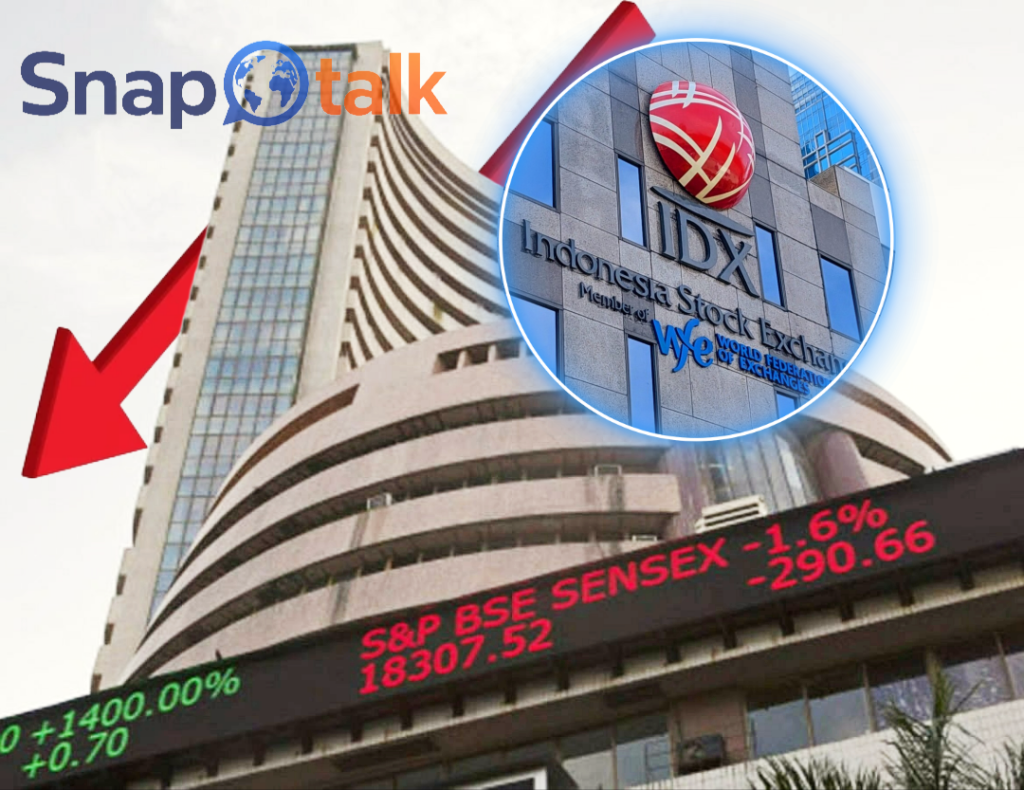
In a significant shift in global investor sentiment, India has replaced Indonesia as Asia’s least-preferred stock market, according to Bank of America’s (BofA) latest Fund Manager Survey — a clear signal of growing caution toward a market that has struggled to keep pace with its regional peers throughout 2026.
The Survey’s Key Findings
According to the BofA survey, which polled 98 panelists managing $272 billion in assets between early and mid-August, a striking 32% of respondents reported being net underweight on Indian equities — the highest such figure among all major Asian markets. This marks a notable reversal from earlier sentiment, as India briefly held the position of investors’ top Asian pick as recently as May 2026.
The survey identified several key factors weighing on investor confidence in Indian stocks: a lack of clear exposure to the artificial intelligence (AI) theme currently driving global equity markets, weakening growth momentum, persistently high valuations, and a perceived slowdown in structural reforms. In contrast, sentiment toward Indonesia — which previously held the “least preferred” tag — has meaningfully improved, with underweight positioning easing from 32% in July to 27% in August, driven by a rally of over 20% in the Jakarta Composite Index following central bank measures to stabilise the currency.
How Indian Markets Have Performed
The shift in investor sentiment mirrors India’s underwhelming stock market performance this year. The Nifty 50 remains the second-worst performing major index in Asia in 2026, down approximately 8% year-to-date, despite recovering around 8% from its March lows. More significantly, the index is currently on track to snap a remarkable 10-year streak of consecutive annual gains — a run that had made Indian equities one of the most consistent performers globally over the past decade.
Meanwhile, Taiwan and Japan continue to hold their positions as the most preferred markets in the region among global fund managers, benefiting from strong momentum in sectors like semiconductors and technology, both of which are closely tied to the ongoing global AI investment boom — an area where Indian companies currently have limited direct exposure.
A Silver Lining in Corporate Earnings
Despite the bearish sentiment, not all signals from India’s economy are negative. Earnings for NSE Nifty 50 companies rose an impressive 18% year-on-year in the most recent quarter, significantly outperforming Motilal Oswal Financial Services’ earlier estimate of just 10% growth. This suggests that while investor sentiment has soured, underlying corporate performance in India remains relatively robust — a disconnect that some analysts view as a potential opportunity once broader market conditions stabilise.
Global Context Adding Pressure
This isn’t the first time in 2026 that India has slipped to the bottom of BofA’s preference rankings. The country was last ranked least-preferred in May, largely due to rising energy costs following the US-Iran conflict, which triggered a rally in global crude oil prices. With that geopolitical situation showing no clear signs of resolution, and energy prices climbing again, external pressures continue to weigh on investor sentiment toward India’s import-dependent economy.
What This Means Going Forward
While a single survey doesn’t determine long-term market direction, shifts in fund manager positioning often reflect — and sometimes influence — broader capital flows into and out of emerging markets. For India, regaining investor confidence will likely depend on a combination of stronger AI-linked corporate positioning, continued reform momentum, and easing external pressures like crude oil prices and currency stability. Until then, all eyes remain on whether India’s decade-long streak of gains can be salvaged before the year closes out.