
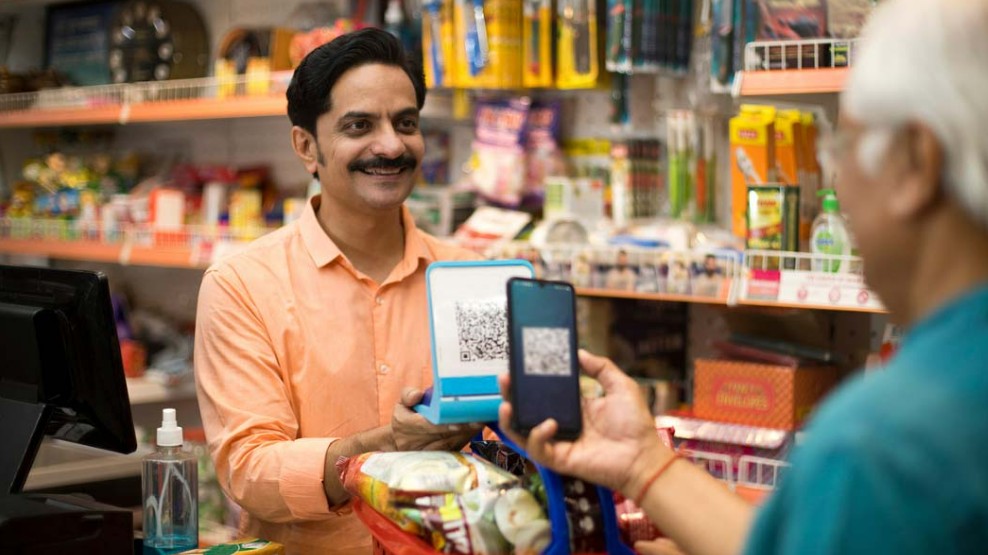
For nearly a decade, India’s Unified Payments Interface has operated on one defining principle — completely free transactions with zero Merchant Discount Rate (MDR). That era may be coming to an end, at least on paper. In a significant legislative move, the Lok Sabha on August 6 passed the Taxation and Other Laws (Amendment) Bill, 2026, which amends the Payment and Settlement Systems Act, 2007, and formally opens the legal door to introducing MDR on UPI transactions.
What Exactly Changed?
The Bill does not impose any new charges immediately. Instead, it removes the legal barrier that previously made UPI a mandatory zero-charge payment mode, and shifts decision-making power to the Central Government, which can now decide which digital payment methods remain free and which may attract charges in the future. The Bill will next move to the Rajya Sabha for approval.
No Charges for Ordinary Users
Amid growing public concern, the government has been quick to clarify one key point: ordinary users making everyday UPI payments will not be charged. Finance Minister Nirmala Sitharaman confirmed that any future MDR would apply only to merchants, not consumers, and would help fund infrastructure, innovation, and security improvements within the UPI ecosystem. The government also dismissed reports suggesting a blanket charge on all transactions as “completely false, baseless, and misleading.”
Merchants May Face Charges — But Only on Large Transactions
While users are largely protected, the story is different for merchants. According to the government, any future MDR would apply only to a limited set of merchant transactions above a specified threshold, and at a nominal rate — significantly lower than what’s currently charged on debit or credit card transactions. Industry estimates suggest this rate could fall somewhere between 0.2% and 0.4%, and would likely be applicable only to large merchants processing transactions of around ₹2,000 and above.
Read More: Rupee Remains Weak Amid Global Market Uncertainty
Interestingly, data shows that just 4% of UPI transactions account for a massive 67% of the platform’s total transaction value — meaning any threshold-based MDR would primarily impact a small segment of high-value merchant transactions, rather than the everyday small-ticket payments most Indians rely on.
Why the Change Now?
UPI has grown into the world’s largest real-time payment system, processing 2,366 crore transactions worth nearly ₹29.9 lakh crore in July 2026 alone, and is now live in 11 countries. But this scale comes at a cost. With zero MDR, payment aggregators and banks have been unable to charge merchants for processing UPI payments, leading to concerns over the long-term financial sustainability of the ecosystem. RBI Governor Sanjay Malhotra noted that while it’s too early to finalize any MDR structure, maintaining and securing payment infrastructure requires continued investment.
What Happens Next?
Once the Bill clears Parliament, the final call on whether — and how — MDR will be implemented rests with the UPI and Services Steering Committee, headed by the National Payments Corporation of India (NPCI). Until then, UPI remains completely free for both users and merchants, with no confirmed charges, rates, or rollout timeline in place.
Pingback: Any UPI Charge Is Just Tax Collection”: Ashneer Grover Slams Proposed Fees on Digital Payments