
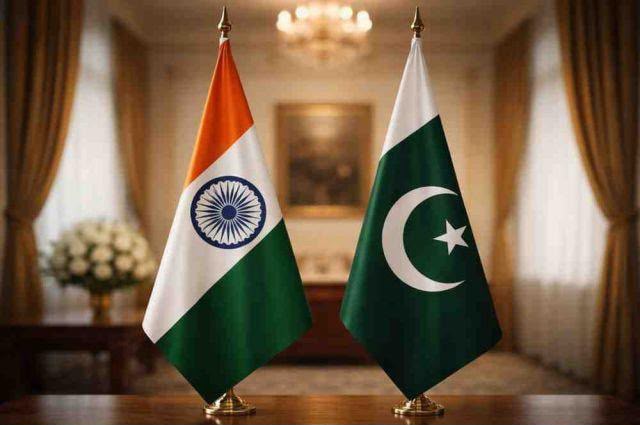
India’s engagement with Pakistan through the Shanghai Cooperation Organisation (SCO) highlights the complicated relationship between the two neighbouring countries, where regional cooperation and bilateral tensions continue to exist side by side. Any invitation extended to Pakistan for an SCO meeting would carry diplomatic significance, as both countries are members of the regional organisation despite their longstanding political and security disagreements.
However, the precise details of the reported invitation, including the meeting concerned, its date and the official responses from New Delhi and Islamabad, require confirmation from current government announcements. An invitation should not automatically be interpreted as a breakthrough in bilateral relations or a sign that formal peace talks have resumed.
What Is the Shanghai Cooperation Organisation?
The Shanghai Cooperation Organisation is a regional intergovernmental organisation established in 2001. It brings together countries to discuss security, economic development, regional stability and cooperation against terrorism and extremism. India and Pakistan became full members in 2017, joining other major regional powers, including China and Russia. The organisation provides a multilateral platform where member states can participate in meetings and discuss shared regional challenges, even when their bilateral relationships remain strained.
India Invites Pakistan to the SCO Culture Ministers’ Meeting
According to reports published on October 21–22, 2026, India has invited Pakistan’s Federal Minister for Culture, Aurangzeb Khan Khichi, to attend the SCO Council of Ministers of Culture meeting scheduled for November 20–21 in New Delhi. Pakistani officials are reportedly reviewing the invitation, and a final decision on whether to send a delegation is pending.
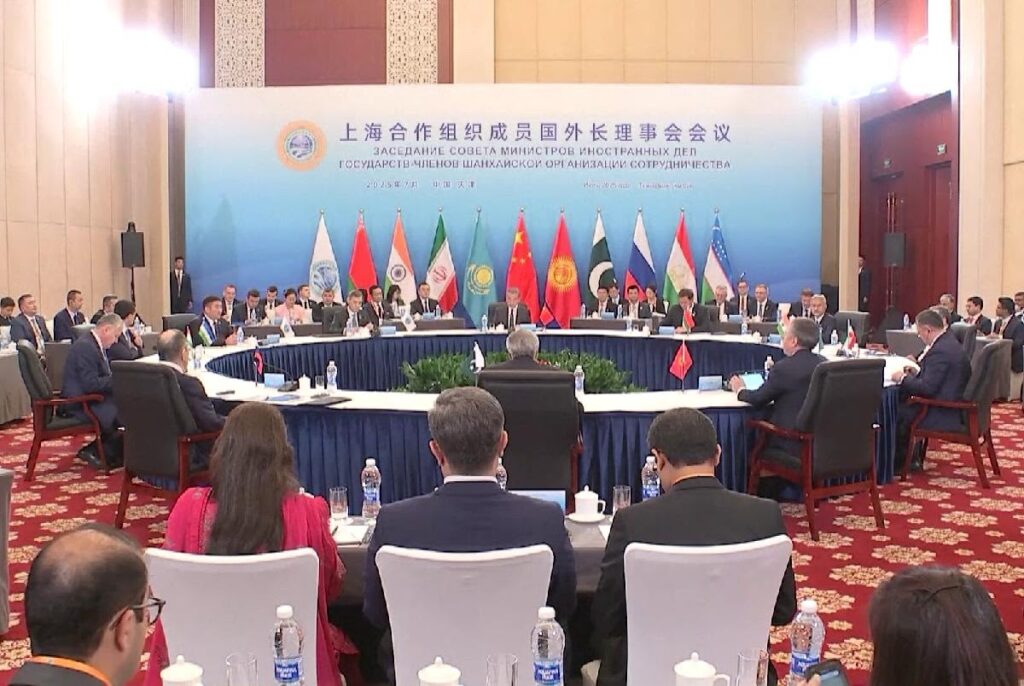
The invitation comes at a time when both countries continue to face serious diplomatic challenges. The proposed meeting is focused on cultural cooperation rather than a dedicated bilateral peace dialogue. Nevertheless, participation could provide an opportunity for officials from both sides to engage within an established multilateral framework.
Why Is the Invitation Significant?
The invitation is significant because India and Pakistan have maintained sharply different positions on security and bilateral relations. India has repeatedly stressed that meaningful bilateral engagement requires an environment free from terrorism, while Pakistan has continued to advocate dialogue on outstanding disputes. Despite these differences, both governments have participated in SCO activities. In September 2026, an Indian delegation led by Alok Dimri attended an SCO national coordinators’ meeting in Islamabad. The discussions covered preparations for upcoming meetings and cooperation in political, economic, cultural and humanitarian fields.
This demonstrates that membership in a regional organisation can provide limited opportunities for communication even when normal bilateral engagement remains difficult.
Background: India-Pakistan Relations
ndia and Pakistan have a long history of disagreements, particularly concerning terrorism, security and Jammu and Kashmir. Political tensions have repeatedly affected diplomatic contacts, trade and people-to-people exchanges. The SCO offers a different channel for engagement because its members are expected to participate in collective discussions on regional issues. Meetings organised under the grouping do not necessarily indicate that either country has changed its position on bilateral disputes.
Previous encounters also illustrate this distinction. In May 2023, Pakistan’s then foreign minister, Bilawal Bhutto-Zardari, visited Goa to attend an SCO foreign ministers’ meeting hosted by India. In October 2024, India’s External Affairs Minister S. Jaishankar travelled to Islamabad for an SCO Council of Heads of Government meeting. These engagements took place within the SCO framework, rather than representing a comprehensive restoration of bilateral relations.
What Happens Next?
The immediate question is whether Pakistan will accept India’s invitation and send an official delegation to New Delhi in November. If confirmed, the meeting could provide an opportunity to discuss cultural exchanges and cooperation among member states. However, expectations should remain realistic. An invitation alone does not establish that a bilateral meeting between senior Indian and Pakistani leaders has been arranged. Nor does it confirm progress on contentious political or security issues. The meeting’s broader significance will depend on the level of participation, the issues discussed and any official statements released afterward. Observers will also watch whether the engagement produces practical initiatives beyond the conference itself.