
New Delhi: India’s eastern coastline is preparing for the possible impact of Cyclone Arnab, which has intensified into a very severe cyclonic storm over the west-central Bay of Bengal. The India Meteorological Department (IMD) has warned of powerful winds, heavy to extremely heavy rainfall and potentially dangerous coastal conditions as the storm approaches Andhra Pradesh. Authorities in Andhra Pradesh and neighbouring Odisha have stepped up emergency preparations to protect residents and minimise damage.
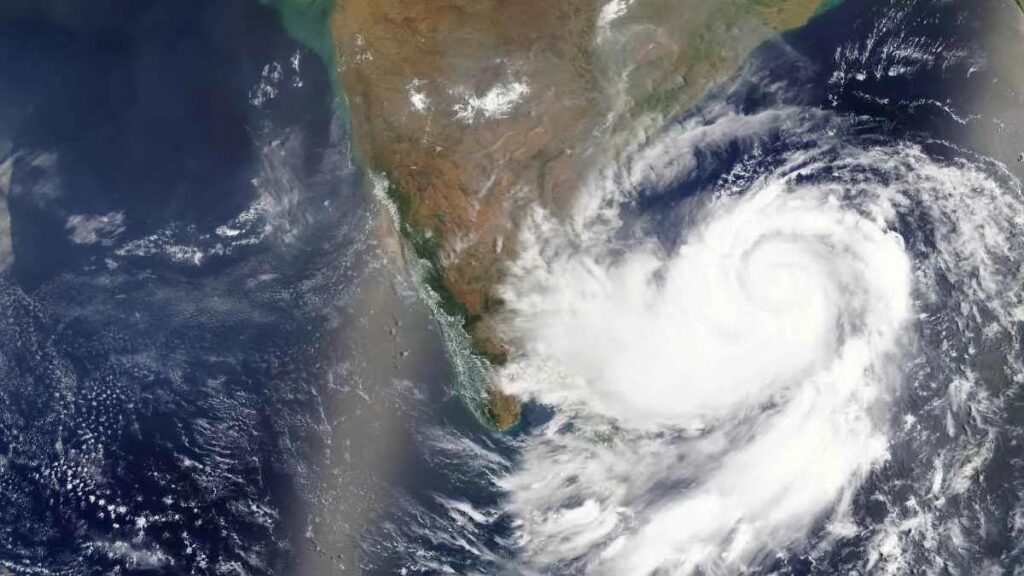
According to the latest reports available on October 27, the cyclone is expected to cross the Andhra Pradesh and Yanam coast, near the stretch between Bapatla and Visakhapatnam, by the forenoon of October 28. Its precise track and intensity may change, making official weather bulletins particularly important over the coming hours.
Cyclone Arnab: Expected Wind Speed and Landfall
The IMD has forecast maximum sustained winds of approximately 115–125 kilometres per hour, with gusts reaching around 140 kmph. Such conditions can damage weak structures, uproot trees, disrupt electricity supplies and make road and coastal travel dangerous.
The cyclone developed from a weather system over the east-central and adjoining south-east Bay of Bengal. It strengthened as it moved towards the Indian coastline, prompting meteorologists to upgrade warnings and state administrations to accelerate preparedness measures. The name Arnab, pronounced “Ornab”, was proposed by Bangladesh under the regional cyclone-naming system. The storm is being closely monitored because its combination of heavy rainfall and strong winds could affect densely populated coastal districts.
Andhra Pradesh Steps Up Evacuations and Emergency Preparations
Andhra Pradesh is among the areas facing the greatest threat from the approaching storm. Officials have intensified evacuation efforts in vulnerable coastal locations, particularly in areas exposed to flooding, storm surges and damage from high winds.Authorities have arranged cyclone shelters and mobilised emergency personnel to support residents who may need to leave their homes. The state government has also taken precautionary steps involving schools, transport services and essential public facilities in affected areas.
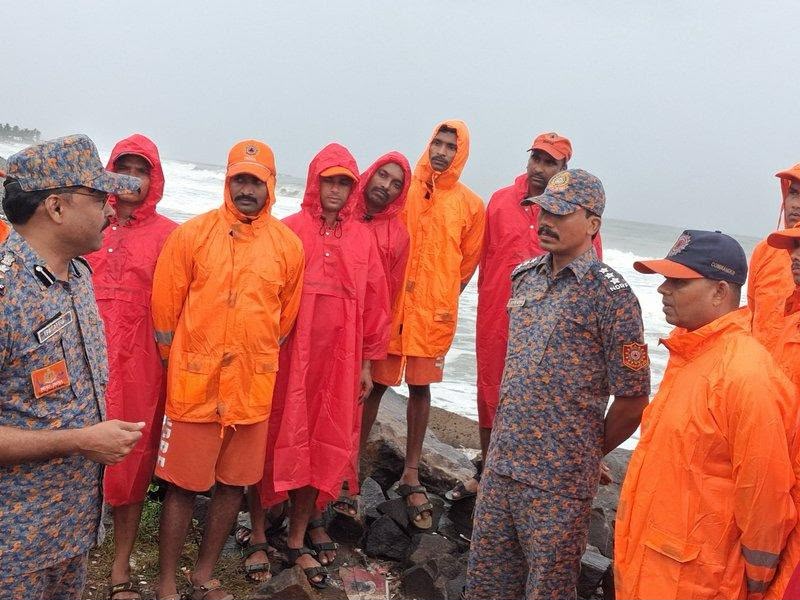
Reports on October 27 indicated that tens of thousands of people had already been moved from vulnerable locations, with evacuation operations continuing. Emergency arrangements are intended to ensure that residents have access to safe shelter, medical assistance, drinking water and essential supplies before conditions deteriorate. Fishermen have been warned against venturing into rough seas, while coastal communities have been advised to follow evacuation instructions issued by local administrations.
Odisha and Other States Prepare for Heavy Rainfall
Odisha is also preparing for the cyclone’s effects, particularly in its southern and coastal districts. Even if the storm makes landfall in Andhra Pradesh, its broad circulation could bring heavy rainfall, strong winds and rough sea conditions to neighbouring areas. The state administration has strengthened monitoring arrangements, mobilised emergency teams and taken precautionary measures in districts likely to experience adverse weather. Schools and colleges in several districts have been closed temporarily, while fishing activities have been restricted for safety.
Weather warnings also extend beyond the immediate landfall zone. Parts of West Bengal and other eastern and southern regions may experience rainfall associated with the cyclone’s circulation. The severity of the impact will depend on the storm’s eventual path and how its intensity changes after landfall.
Train Services Disrupted, Public Safety Measures Intensified
The approaching cyclone has affected transport planning along India’s eastern coast. Railway authorities have cancelled or suspended several services on affected routes as a precaution against heavy rain, strong winds and possible damage to railway infrastructure. Passengers have been advised to check the latest train status with official railway sources before travelling. Road transport may also be affected by waterlogging, fallen trees and local restrictions in vulnerable areas.
Emergency response agencies are preparing for possible rescue operations, while local authorities are monitoring weather forecasts and identifying communities that may require assistance. Residents in low-lying areas have been urged to cooperate with evacuation teams rather than wait until the weather becomes dangerous.
What Should Residents Do Before the Cyclone Arrives?
Disaster management officials recommend taking precautions before the storm reaches the coast
- Move to designated cyclone shelters if instructed by local authorities.
- Keep drinking water, essential medicines, dry food, a torch and a charged mobile phone ready.
- Stay away from beaches, flooded roads, electric poles and fallen power lines.
- Secure loose outdoor objects and remain indoors during strong winds.
- Follow official IMD forecasts and government advisories rather than relying on unverified social media messages.
- Fishermen should remain ashore until authorities declare conditions safe.
Residents should also avoid unnecessary travel during periods of intense rainfall and follow evacuation instructions promptly.