
India’s 2026 Legislative Council elections have emerged as an important political contest, with the Bharatiya Janata Party (BJP), the Congress, the Samajwadi Party (SP), regional parties and independent candidates competing for influence across Uttar Pradesh, Bihar, Maharashtra and Karnataka. Polling for 28 seats took place on October 23, with counting beginning on October 27. The results have delivered significant victories, unexpected defeats and fresh political challenges for several parties.
The elections are particularly significant because they involve teachers’ and graduates’ constituencies, where candidates must connect with specific groups of voters rather than the general electorate. The results are also being examined for their possible implications for upcoming political battles, especially the 2027 Uttar Pradesh Assembly elections.
What is an MLC election?
A Member of the Legislative Council (MLC) is a representative in a state’s Legislative Council, the upper house of the state legislature. Unlike Members of the Legislative Assembly (MLAs), who are directly elected by the general electorate of their constituencies, MLCs can enter the council through several different routes.
Under Article 171 of the Indian Constitution, approximately one-third of a state Legislative Council’s members are elected by local authorities, one-twelfth by graduates, and one-twelfth by teachers. Approximately one-third are elected by MLAs, while the Governor nominates the remaining members from fields such as literature, science, art, cooperative movements and social service. The exact composition is governed by constitutional provisions.
Teachers’ and graduates’ constituencies therefore give eligible registered voters a dedicated opportunity to choose representatives who may raise issues concerning education, employment, professional development and public services.
State-wise results and major political developments
Uttar Pradesh: BJP and SP in a close contest
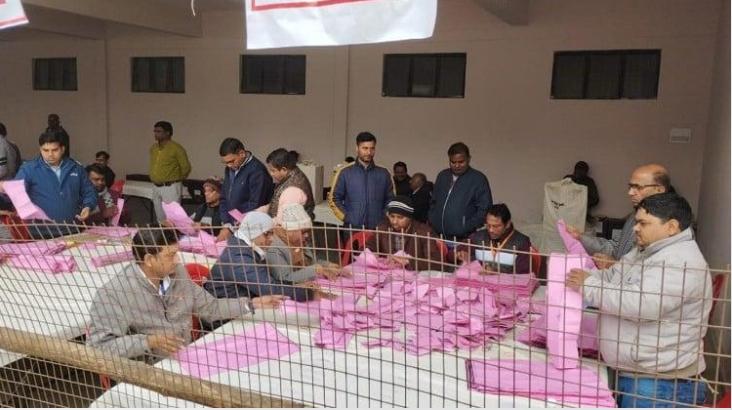
Uttar Pradesh witnessed elections for 11 seats, comprising five graduates’ and six teachers’ constituencies. The contest attracted particular attention because the state is preparing for its 2027 Assembly elections. The BJP and Samajwadi Party competed for influence among teachers, graduates and other eligible voters. Early reports recorded wins for both parties, while counting developments and reported tallies varied as results came in.
Bihar: Jan Suraaj makes its mark.
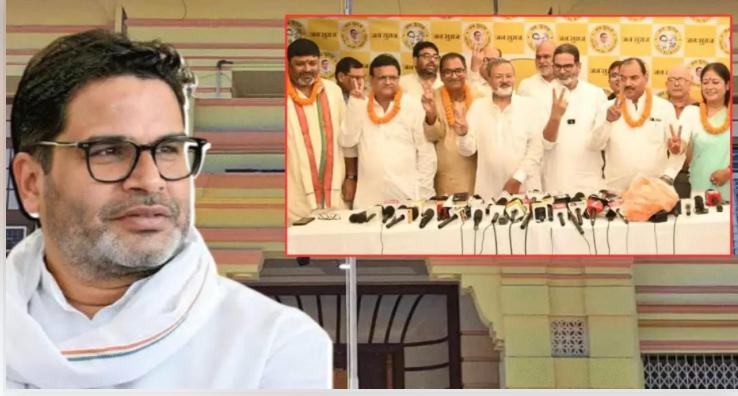
Bihar’s eight seats produced several notable contests. The Jan Suraaj Party secured its first Legislative Council victory when Suresh Prasad Rai defeated sitting Congress MLC Madan Mohan Jha in the Darbhanga Teachers’ constituency. The RJD also scored a significant victory by defeating veteran BJP MLC Nawal Kishore Yadav in Patna Teachers’. Independent candidates won seats as well, highlighting the importance of local networks and individual reputations.
Maharashtra: Opposition wins three of five seats
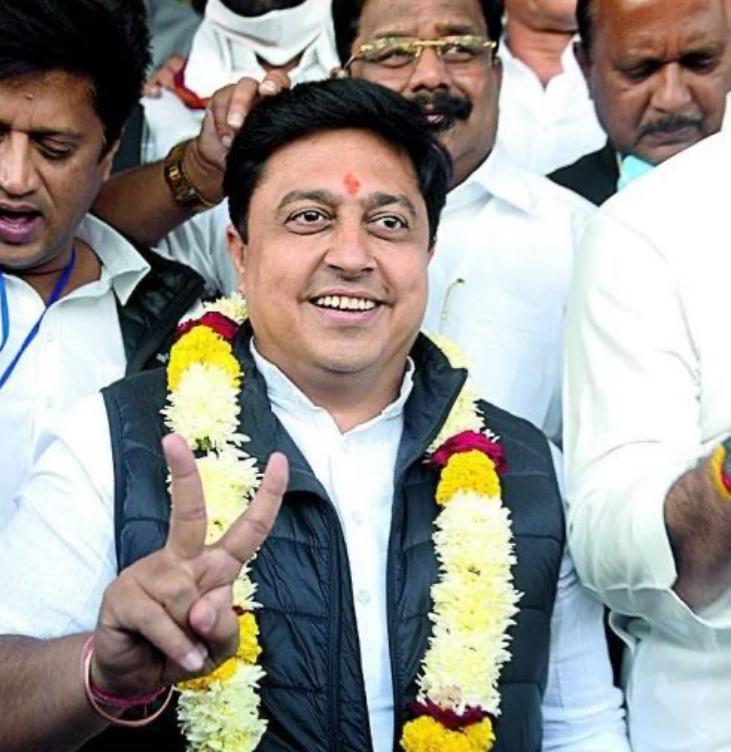
Maharashtra delivered one of the most closely watched outcomes. The opposition Maha Vikas Aghadi won three of the five seats, while the ruling Mahayuti alliance secured two. Congress candidate Abhijeet Wanjari retained the Nagpur Graduates’ constituency, defeating BJP candidate Sudhakar Kohale by 3,271 votes, according to The Indian Express. The result was politically significant because Nagpur is the home city of Chief Minister Devendra Fadnavis and the headquarters of the RSS.
Karnataka: BJP–JD(S) alliance sweeps all four seats

Karnataka delivered a setback to the ruling Congress, as the BJP–JD(S) alliance won all four contested seats. The BJP retained three constituencies, while JD(S) candidate A. P. Ranganath defeated sitting Congress MLC Puttanna in Bengaluru Teachers’ by 908 votes. The outcome strengthened the opposition alliance’s position in the council elections, although it does not by itself determine the stability of the state government.
Why are these elections politically important?
The MLC elections are not simply about winning seats in an upper house. They also provide political parties with an opportunity to assess their organisational strength among specific professional and educational communities.
- For the BJP: Victories in several constituencies strengthen its position, although the Nagpur result demonstrates that traditional strongholds can face serious challenges.
- For the Congress: The Karnataka losses and the Nagpur contest underline the need to improve its performance across different voter groups.
- For the Samajwadi Party: Its performance in Uttar Pradesh provides an important political boost ahead of the 2027 Assembly elections.
- For smaller parties: Jan Suraaj’s first council victory in Bihar shows how regional political movements can gain representation beyond the main established parties.
The results must nevertheless be interpreted carefully. Teachers’ and graduates’ constituencies have a different electorate from general Assembly constituencies. Their outcomes cannot automatically predict how the wider population will vote in future elections.