
Keywords: Subhash Chandra, Zee Entertainment, NCLT insolvency, Essel Group debt, IBC haircut, personal guarantor insolvency, LIC Housing Finance, Indiabulls Housing Finance
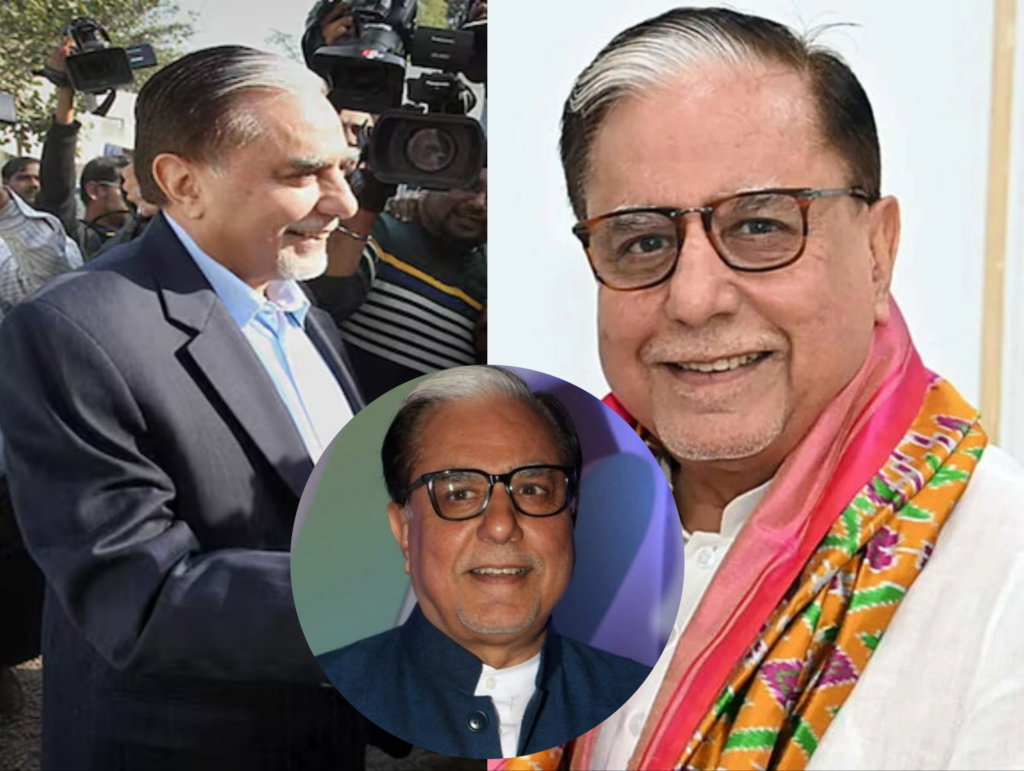
In one of the most dramatic corporate insolvency resolutions in Indian financial history, the National Company Law Tribunal (NCLT) has approved a repayment plan allowing Subhash Chandra, founder and chairman emeritus of Zee Entertainment Enterprises and chairman of Essel Group, to settle admitted creditor claims of ₹22,006.57 crore for a payout of just ₹6.5 crore. The approval translates into a haircut of nearly 99.97% for creditors — meaning lenders will recover only about 0.03 paise for every rupee owed.
How the ₹22,006 Crore Debt Was Built Up
The insolvency proceedings originated from a personal guarantee dispute. In 2022, Indiabulls Housing Finance Limited (now Sammaan Capital) filed an insolvency case against Subhash Chandra after he failed to repay a ₹170 crore loan taken out by Vivek Infracon, an entity linked to the Essel Group. The National Company Law Tribunal admitted the plea in 2024 and opened the process for other creditors to submit their claims. Eventually, 23 creditors came forward, and the total admitted debt swelled to ₹22,006.57 crore — a reflection of the scale at which Chandra had personally guaranteed loans taken by various Essel Group and Zee-linked entities over the years.
Why the NCLT Approved Such a Massive Haircut
Under the repayment plan, creditors will receive ₹6.25 crore, with an additional ₹25 lakh allocated toward the insolvency resolution process — bringing the total payout to ₹6.5 crore. According to the NCLT, the resolution professional’s valuation showed that Subhash Chandra’s personal estate was worth significantly less than the amount being offered under the plan itself.
The approval process was far from smooth. The original two-member bench delivered a split verdict, prompting the appointment of a third judicial member, Nilesh Sharma, who ultimately approved the plan under Section 114 of the Insolvency and Bankruptcy Code (IBC), with an 80.81% majority vote in favour.
Creditors’ Objections Rejected
Major creditors, including LIC Housing Finance, strongly objected to the settlement, arguing that the proposed recovery was disproportionately low given historical estimates of Chandra’s net worth running into tens of thousands of crores. However, the NCLT held that this discrepancy alone did not establish concealment or necessitate a mandatory forensic investigation before approving the plan. The tribunal further clarified that its role was “supervisory, corrective, and judicial” — not a substitute for the commercial judgment already exercised by creditors through their vote.
Importantly, the NCLT ruled that an approved repayment plan is binding on all creditors under Section 115 of the IBC — including those who voted against it. This means dissenting creditors cannot independently pursue recovery of their original claims outside the approved plan.
A Bigger Regulatory Storm
This insolvency resolution comes at a particularly turbulent time for Subhash Chandra. Just weeks earlier, in August 2026, the Securities and Exchange Board of India (SEBI) barred both Chandra and his son, Punit Goenka, from the securities market for one year, in a separate and unrelated case involving land pledge disclosures.
What This Means for India’s Insolvency Framework
The case has reignited debate around personal guarantor insolvency proceedings under India’s IBC framework, particularly around how steep haircuts — even those exceeding 99% — can be legally approved when backed by the required creditor majority. For lenders like LIC Housing Finance and other financial institutions, the ruling underscores the significant financial risk embedded in personal guarantee-backed lending, especially involving high-net-worth promoters and complex corporate group structures.
Pingback: Bank of Baroda Writes Off ₹35,715 Crore in Big Loans — RTI Reveals Only 28% Recovered, Borrower Names Kept Secret
Pingback: Bihar Dustbin Procurement Row: RJD Alleges ₹300 Crore Irregularity, Government Denies Wrongdoing
Pingback: Retired UP Transport Officer Caught With ₹1.62 Crore Cash, 13 Kg Gold, 9 Kg Silver in Vigilance Raid